
Thirteen nights before Christmas
One Yule Lad a night, from 12 December
In Iceland, Christmas does not come all at once. From 12 December the thirteen Yule Lads come down from the mountains one a night, each with his own mischief, and children leave a shoe on the windowsill to find a small gift by morning. Their mother Grýla, father Leppalúði and the Yule Cat come too.
Give the figures one a night and you give a family thirteen evenings of stories, every December, for years.
Any four Yule Lads ship free to the US, Canada and Europe (orders over $149)

Set of all 16
All thirteen lads, Grýla, Leppalúði and the Yule Cat. Sets collected piece by piece rarely get finished; this one arrives complete, each figure boxed on its own.
$534.00 $609.40 Save $75.40 against buying them one by one
The thirteen, in the order they arrive
Each figure comes boxed with a small English booklet about the whole family.
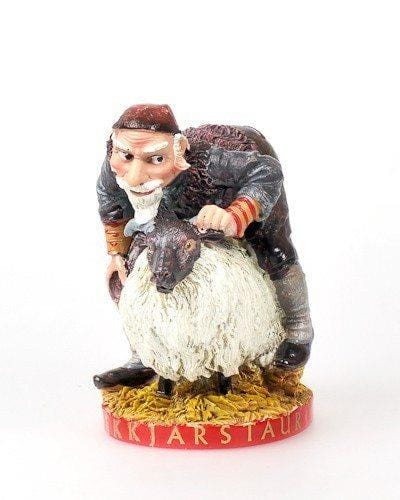
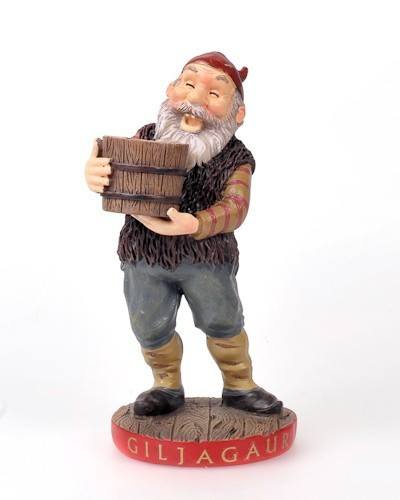
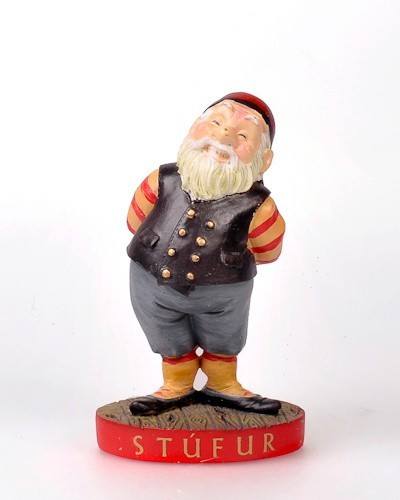
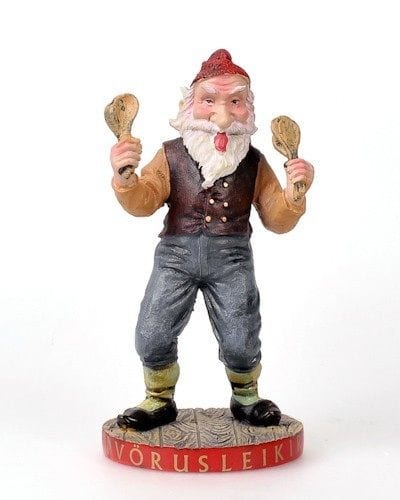
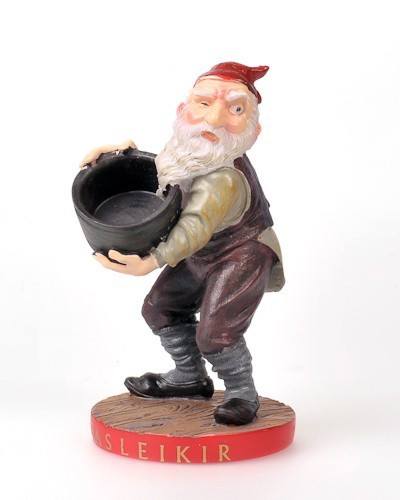
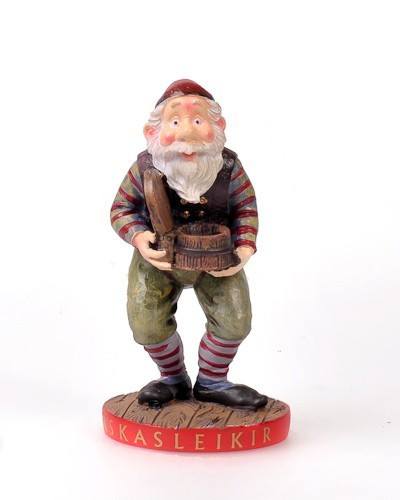
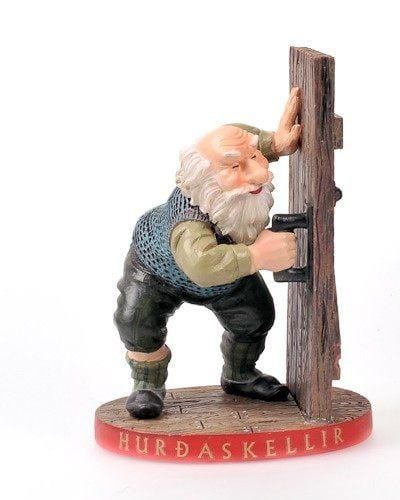
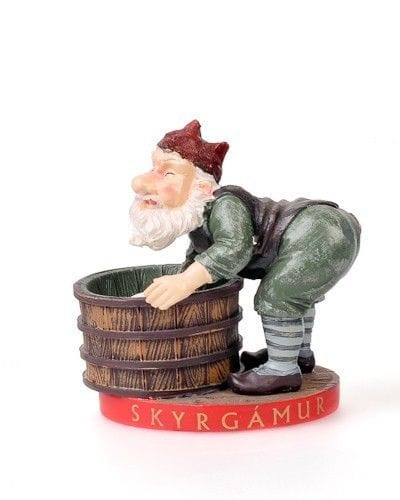
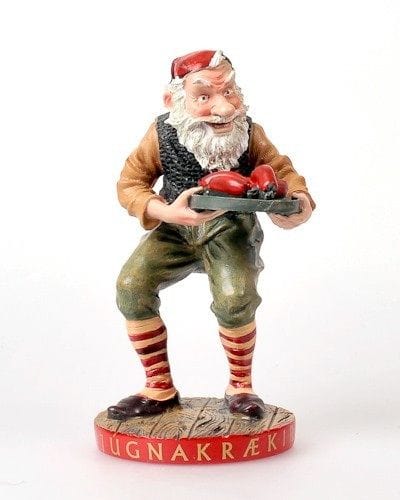
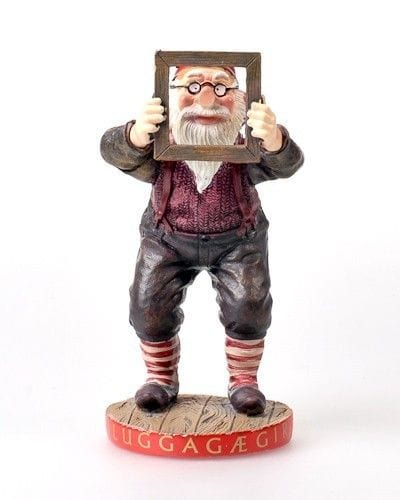
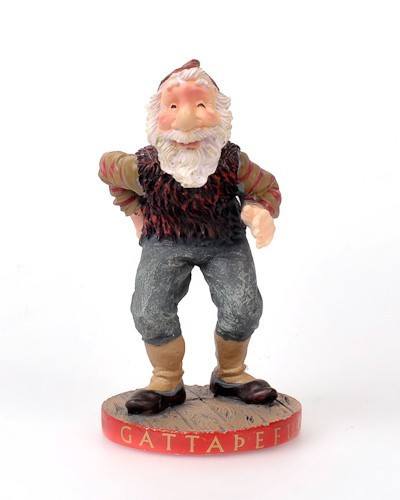
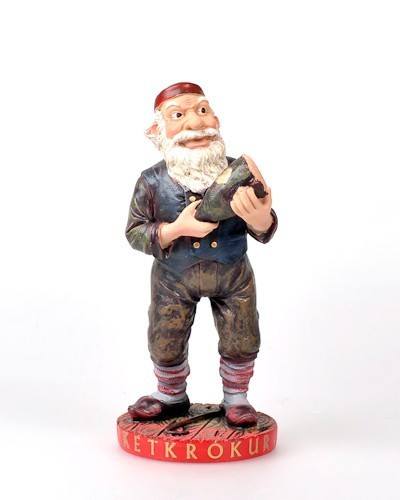
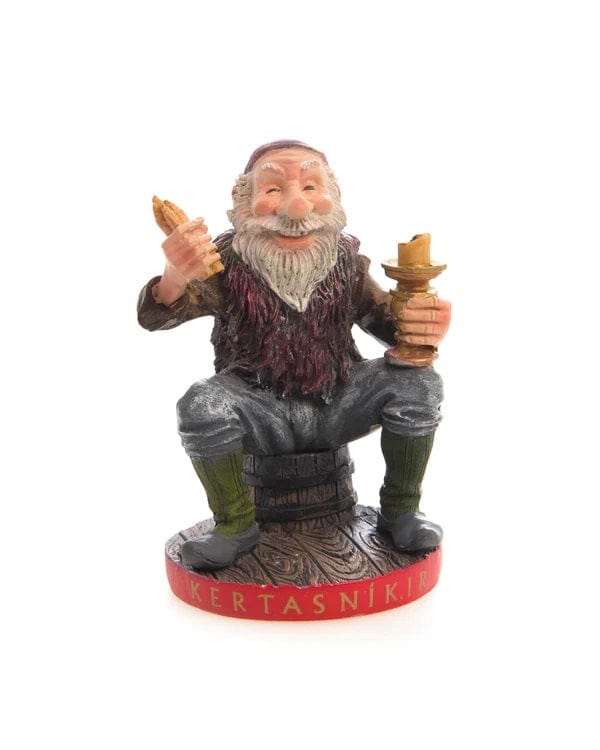
The rest of the family
Grýla, Leppalúði and the Yule Cat.
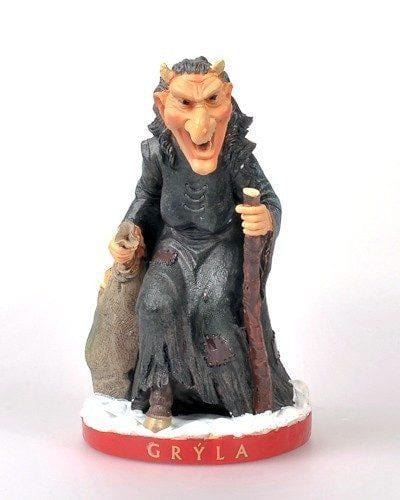
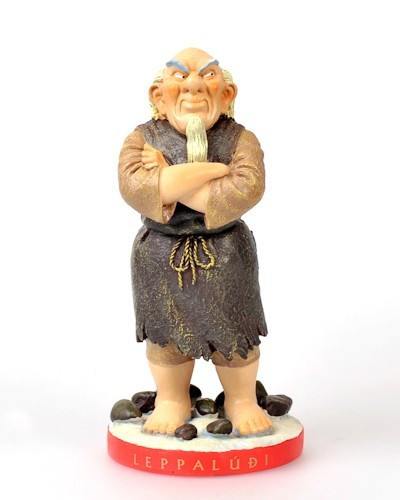
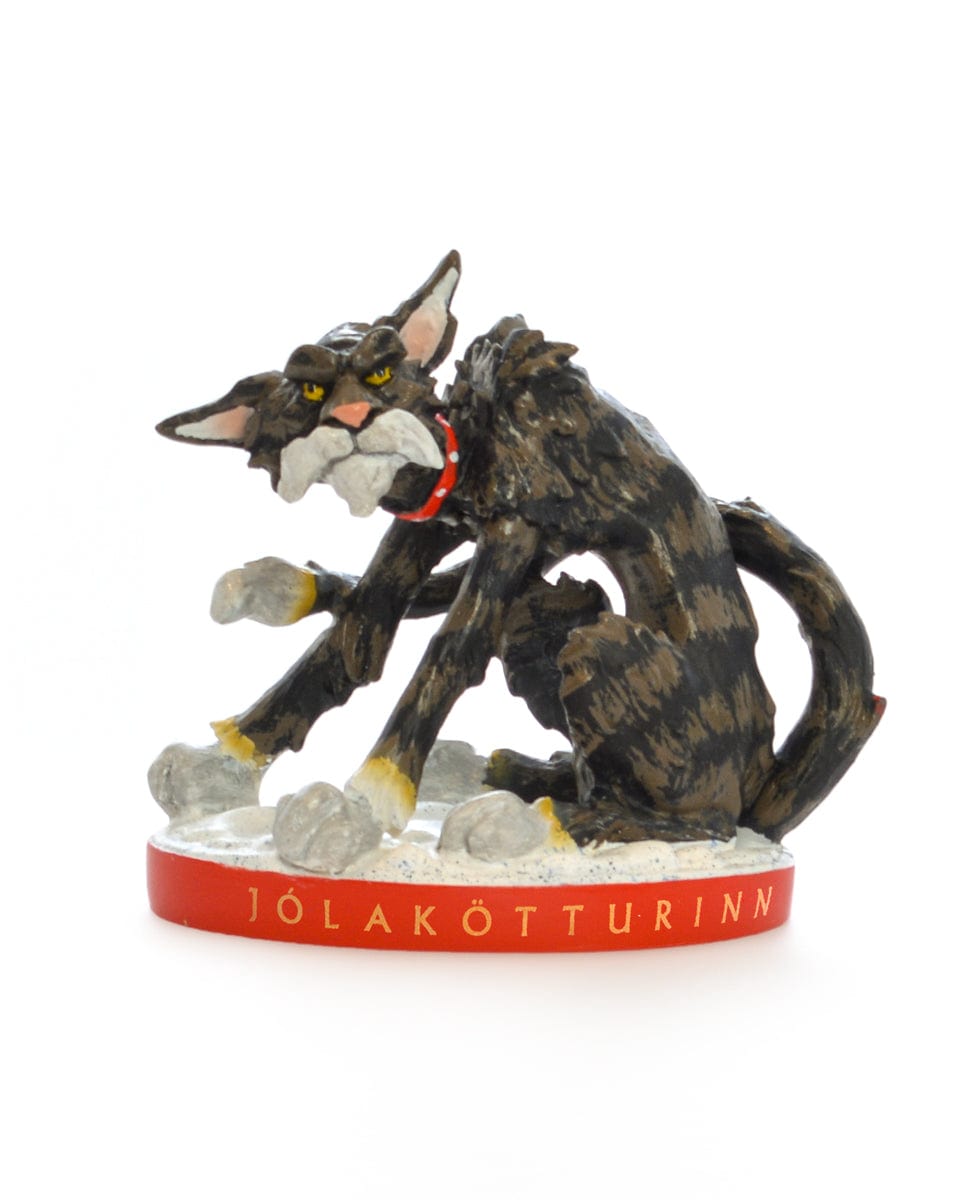
Who are the 13 Yule Lads in Iceland?
The Icelandic Yule Lads bear little similarity to the world-famous Santa Claus, who is descended from St. Nicholas, patron saint of children and sailors. In contrast, the Icelandic Yule Lads are descended from trolls and their original role was to strike fear in the hearts of children. As it happens, they are the sons of two of the most hideous ogres ever known in Iceland, Grýla and Leppalúði.
Are Grýla and Leppalúði real?
No doubt most children would have wanted to avoid the Icelandic Yule Lads in the old days, since they were used by parents to frighten their children into behaving – just as Grýla and Leppalúði are today. Evidently this was of some concern to Icelandic authorities, since in 1746 a public decree was issued to prohibit parents from frightening their children with monsters and fiends like the Yule Lads.
What are the 13 Santa Clauses Lads names?
Whether it was due to this decree or something else, the Yule Lads became increasingly benign. Over time they ceased to be a threat to children's lives, though they continued to be thieving scoundrels. In the 20th century, the Icelandic Yule Lads became strongly influenced by their foreign colleagues, both in terms of conduct and appearance. They began wearing red garments on special occasions, similar to Santa Claus and the Danish Christmas gnomes. They also developed an unprecedented kindness towards children, to the point where they started depositing gifts in their shoes.
Iceland’s Mischievous Christmas Elves and Gnomes: A Festive Folklore Twist
Iceland’s Christmas elves, often called the 13 Yule Lads, spark curiosity with search terms like “icelandic christmas elves” and “13 elves iceland,” despite not being traditional elves but troll-like pranksters. Queries such as “icelandic gnomes” and “yule gnomes” reflect a charming misconception, as these figures blend gnome-like mischief with Iceland’s unique Jól traditions. Whether it’s “yule elf” or “iceland christmas gnomes,” the fascination with these quirky characters highlights their role in delivering gifts and playful chaos during the festive season.